
Popular Foundation Repair Supplies for Professional and DIY Projects
Access a wide range of reliable products suitable for both professional contractors and homeowners tackling foundation issues.
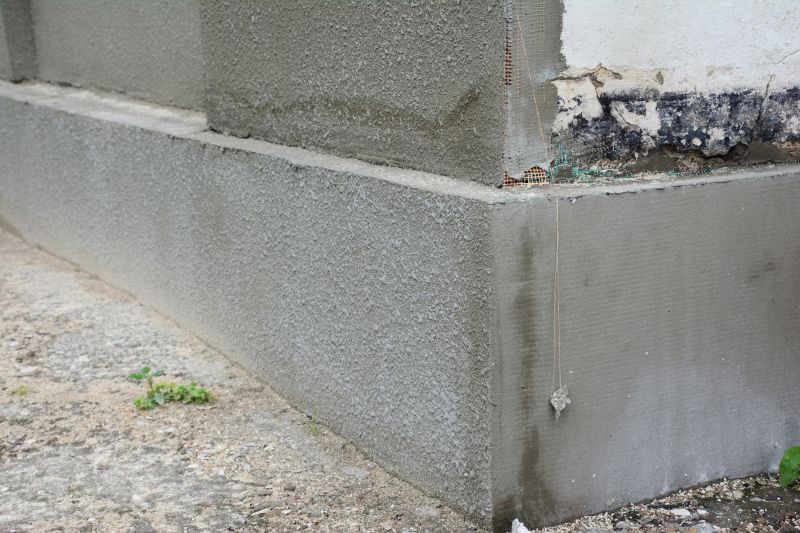 Foundation repairs are a critical aspect of maintaining the structural integrity of a building, especially in areas like Green Bay, WI where soil conditions and weather patterns can influence foundation stability. Various products are available to address different types of foundation issues, including cracks, settling, and shifting. When considering foundation repair solutions, it is important to understand the range of products designed for specific problems and to select options that are compatible with the existing structure. Proper assessment and installation are essential to ensure long-term stability and safety.
Top Overall Option
Foundation Piering Systems
Foundation piering systems are versatile solutions designed to stabilize and lift foundations that have experienced settling or shifting. These systems typically involve installing steel or concrete piers beneath the foundation to transfer the load to more stable soil layers. They are suitable for a variety of foundation types and can be customized to address specific structural issues. Proper installation by experienced professionals is key to ensuring the effectiveness of piering systems, making them a widely used choice for foundation stabilization projects.
Types of Products For Foundation Repairs
Epoxy Injection Kits
Used to seal cracks and restore structural integrity in concrete foundations, epoxy injection kits are suitable for minor cracks and surface repairs.
Carbon Fiber Reinforcement
Carbon fiber strips and staples provide additional strength to cracked or bowing walls, helping to prevent further movement.
Concrete Piers
Concrete piers are driven or poured beneath the foundation to provide support and lift sinking structures.
Steel Piers
Steel piers are adjustable support systems that stabilize and lift foundations, particularly useful for uneven soil conditions.
Underpinning Systems
Underpinning involves strengthening the foundation by extending it to more stable soil layers, often using concrete or steel elements.
Mudjacking and Slab Jacking
These methods lift sunken concrete slabs by injecting a mixture beneath the surface, restoring levelness.
Drainage and Waterproofing Products
Waterproof membranes, drainage mats, and sump pumps help prevent moisture-related foundation issues.
Helical Piles
Helical piles are screw-in foundation supports suitable for challenging soil conditions and limited access areas.
Soil Stabilizers
Chemical or mechanical soil stabilization products improve soil bearing capacity around foundations.
Vapor Barriers
Vapor barriers help control moisture vapor transmission, protecting basement and foundation walls.
Popular Choices
These kits are commonly used for sealing small cracks and preventing water infiltration.
Steel push piers are frequently selected for their strength and ability to lift and stabilize foundations.
Polyurethane foam is used to fill voids and lift slabs, offering a quick and minimally invasive solution.
This method is popular for raising sunken concrete slabs in driveways and walkways.
Drainage mats are widely used to improve moisture management around foundations.
Sump pumps are a common choice for removing water from basements and preventing moisture buildup.
Carbon fiber strips are popular for reinforcing bowing or cracked basement walls.
Adjustable underpinning piles are frequently used to stabilize foundations experiencing settlement.
Waterproof membranes are often chosen to prevent water intrusion and protect foundation walls.
Chemical soil stabilization products are gaining popularity for improving soil load-bearing capacity.
Foundation repair products can vary widely in their application and effectiveness. For minor cracks, epoxy injection kits can seal and stabilize the affected areas. For more significant settling or shifting, underpinning systems and piering solutions are often used to lift and stabilize the foundation. Additionally, waterproofing and drainage products can prevent future issues related to moisture intrusion. It is advisable to consult with a foundation specialist to determine the most suitable products for your specific situation.
Choosing the right foundation repair products involves considering the type of foundation, soil conditions, and the extent of damage. Proper installation and quality materials are crucial to achieving effective results. Regular inspections and maintenance can help identify early signs of foundation issues, allowing for timely intervention. Whether you are dealing with residential or commercial properties in Green Bay, WI, understanding the available products can help you make informed decisions to preserve your property’s value and safety.
Key Buying Considerations
- Assess the specific type and extent of foundation damage before choosing products.
- Consider the compatibility of repair products with your existing foundation materials.
- Evaluate the soil conditions and how they influence the choice of stabilization methods.
- Prioritize products that offer adjustable or customizable solutions for varying issues.
- Ensure installation will be performed by qualified professionals to maximize effectiveness.
- Review the long-term durability and maintenance requirements of the selected products.
- Check for products that provide waterproofing and moisture control features.
- Understand the limitations of each product type and whether it suits your repair needs.
- Consider the potential for future expansion or additional repairs when selecting products.
- Research warranties or guarantees offered by manufacturers or installers.
- Factor in the accessibility of your property when planning for installation procedures.
- Compare costs relative to the scope of repair to determine value for investment.
- Look for products with proven track records in similar soil and structural conditions.
- Review customer feedback and expert recommendations to inform your choice.
- Ensure compliance with local building codes and regulations in Green Bay, WI.